Start here
All guides
Rhinoplasty Risks and the Red Flags to Walk Away From
Understand the risks, complication rates, and warning signs before choosing rhinoplasty in Turkey. Make an informed, safer decision.

Are You a Good Candidate for Rhinoplasty? Honest Factors to Consider
Learn the true physical and psychological criteria for rhinoplasty in Turkey, including candidacy, risks, and what surgeons look for.

Rhinoplasty in Turkey: Costs, Clinics, and What to Expect
A clear, independent guide to rhinoplasty in Turkey: what it involves, costs, recovery, and how to check your surgeon before you decide.
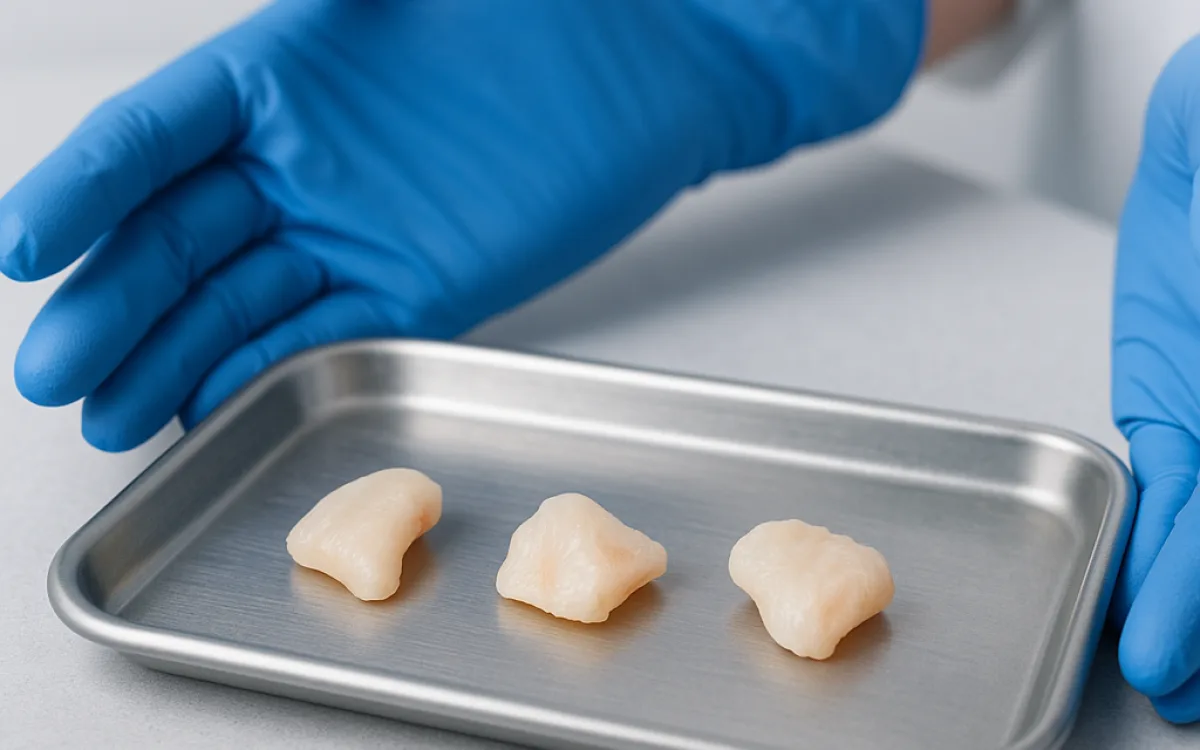
Cartilage Grafts in Rhinoplasty: Septum, Ear and Rib Explained
Learn how septum, ear, and rib cartilage grafts are used in rhinoplasty, including the pros, cons, recovery times, and when each is suitable.

Septorhinoplasty in Turkey: Understanding Function and Form
This guide explains septorhinoplasty in Turkey, covering functional and cosmetic aspects, insurance basics, and how to plan for a safe recovery.
Techniques and special cases
See all
Preservation and Ethnic Rhinoplasty: Modern Approaches in Turkey
Learn how Turkish rhinoplasty specialists use preservation and ethnic techniques to achieve natural results that respect individual anatomy.
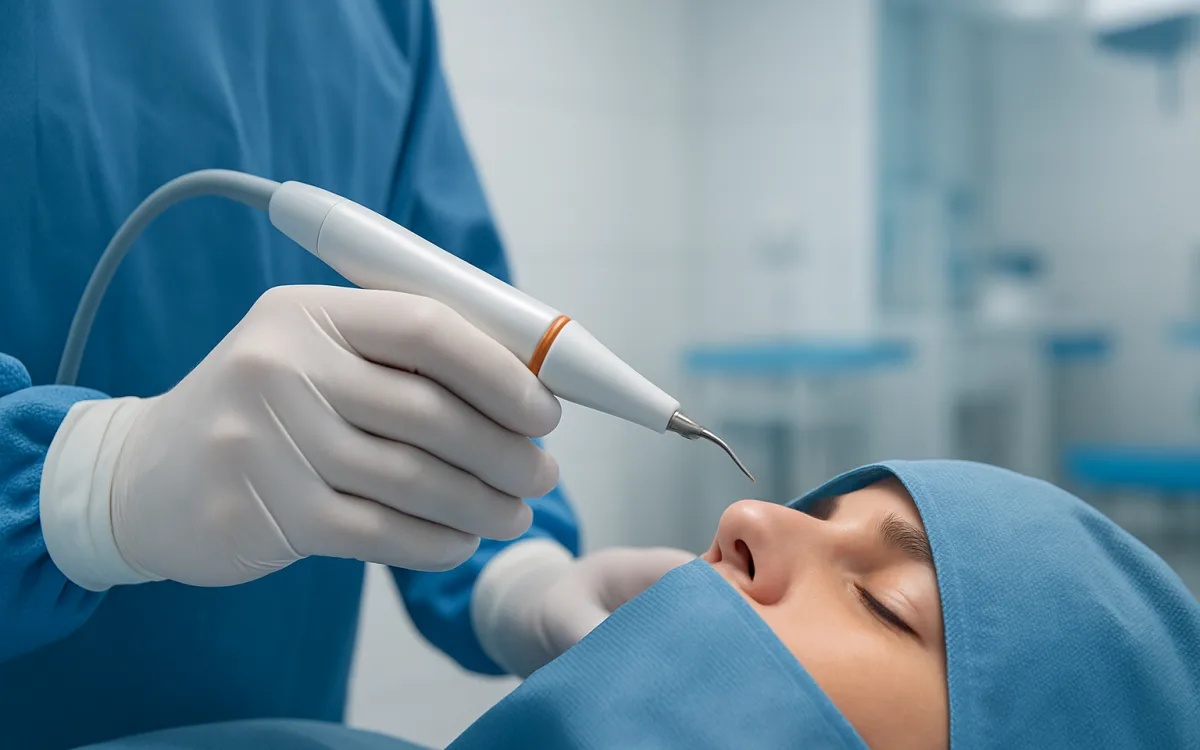
Piezo Ultrasonic Rhinoplasty: How the Device Changes Nose Surgery in Turkey
Explore how piezo ultrasonic rhinoplasty in Turkey differs from traditional bone reshaping, with an honest look at evidence, costs, and recovery.
Open vs Closed Rhinoplasty in Turkey: Access, Scarring, and Suitability
Explore how open and closed rhinoplasty techniques differ, what the columellar scar looks like, and which option may suit your needs in Turkey.
Rhinoplasty Aftercare: The Rules That Matter Most for a Safe Recovery
Understand the essential aftercare steps and rules following rhinoplasty in Turkey, with clear reasons behind each guideline for a safer recovery.
Free rhinoplasty tools
All toolsFive calculators and planners that run in your browser. No login, no email wall, nothing sent to a server — and every one of them works in all 12 languages.
These tools give information, not a diagnosis or a surgical plan. Only a surgeon who has examined your nose and your breathing can tell you what is actually possible.
Not sure which technique your nose needs?
Use the free tools first, then send one enquiry and let vetted surgeons answer with a written plan.
Browse guidesTechniques, recovery, costs, surgeons Get a free quoteAnswered in 1–2 working days
Why ask us for the quote
- One enquiry, quotes from several vetted clinics — you compare, nobody pressures you.
- We ask for the information a surgeon needs to quote: no photo upload, no medical files.
- Every clinic on our list holds a Turkish Ministry of Health licence and treats international patients.
- You keep your language: we pass on which of the 12 languages you want to be answered in.
- No fee to you, ever. Clinics pay us, and that is written on this page rather than hidden.
- We are not a clinic and never treat anyone — so we have no reason to talk you into surgery.
Frequently asked questions
Are you a clinic?
No. We are an independent information and referral platform. We write guides, we build free planning tools, and we pass enquiries to Turkish clinics we have checked. We do not diagnose, we do not treat, and we take no part in clinical decisions. That is also why we can compare surgeons rather than sell one.
How much does rhinoplasty in Turkey cost?
A primary rhinoplasty is typically €2,500–€4,500 all-inclusive, a septorhinoplasty slightly more, and a revision €3,500–€6,500. The same operation is £5,000–£9,000 in the UK and $9,000–$16,000 in the United States. The spread inside Turkey reflects the surgeon's experience, the technique, whether grafting is needed, and what the package covers — our cost calculator lets you price each of those.
How many days do I need in Turkey?
Eight to ten days for most primary operations: arrival, consultation and tests, surgery with a night in hospital, several rest days, and cast removal at about day seven before you fly. Revision surgery and rib grafting add two or three days. The cast removal is the fixed point; book your return flight flexibly around it.
How do you check the surgeons you list?
We ask for a current Turkish Ministry of Health licence in the clinic name, a named operating surgeon with verifiable board certification, evidence of regular rhinoplasty practice, a written follow-up schedule that works across borders, and a written revision policy. Clinics that will not put those things in writing do not get listed, and we remove clinics if patient reports contradict what we were told.
What does it cost me to use this site?
Nothing, at any point. The guides, the tools and the quote service are free to you, and we do not sell your details to advertisers. Clinics pay us a referral fee when they take on a patient we introduced. We would rather state that plainly here than let you discover it later — and it is also why we list several clinics rather than one.
Is rhinoplasty in Turkey safe?
The variation between surgeons is far larger than the variation between countries. Turkey performs an enormous volume of rhinoplasty and has surgeons with international reputations; it also has operations that sell the procedure as a holiday package. Rhinoplasty is technically among the most demanding operations in plastic surgery, with a revision rate of roughly 5 to 15 per cent even in expert hands, so who holds the instrument matters more here than almost anywhere. Every guide on this site is written to help you tell them apart.