Rhinoplasty Candidacy Quiz
Six questions covering age, health, smoking, previous surgery, expectations and motivation — the same ground a good surgeon covers before agreeing to operate.
Rhinoplasty Candidacy Quiz
Six questions covering age, health, smoking, previous surgery, expectations and motivation — the same ground a good surgeon covers before agreeing to operate.
A screening prompt, not a medical assessment. A surgeon who examines you may reach a different conclusion in either direction.
How to read the result
- The questions about motivation are not filler. Regret after cosmetic surgery correlates far more strongly with why someone had it than with how it turned out.
- A surgeon who never asks you why you want the operation is not screening. That is a reason to look elsewhere, not a convenience.
- Wanting a specific change to your own face is a good sign. Wanting someone else's nose, or wanting a different life, is the classic warning one.

Frequently asked questions
What age can you have a rhinoplasty?
Most surgeons will not operate on the nose for cosmetic reasons until facial growth is complete, which is around 16 for girls and 17 to 18 for boys, and many prefer to wait until 18 regardless. There is no upper limit; what matters after middle age is general health, blood pressure and skin quality rather than the number itself. Functional surgery for a breathing problem is treated differently and can be done earlier when there is a clear medical reason.
Does smoking affect rhinoplasty?
Yes, and it is the single lifestyle factor most surgeons take seriously. Nicotine constricts small blood vessels, and rhinoplasty depends on a skin envelope that has been lifted from its blood supply and needs to heal back down. Smoking raises the risk of poor healing, skin necrosis in severe cases, worse scarring and infection. Most surgeons ask for at least two weeks without nicotine before and after surgery, and many ask for longer. Vaping is not a safe substitute — the nicotine is the problem.
What is body dysmorphic disorder and why do surgeons screen for it?
It is a condition in which someone is preoccupied with a flaw in their appearance that others barely notice or cannot see at all, to a degree that interferes with daily life. It is markedly more common among people seeking cosmetic surgery than in the general population, and surgery reliably fails to help — satisfaction rates after rhinoplasty are very low in this group and repeat operations are common. A surgeon who asks about it is doing their job. If several of your answers here pointed at motivation coming from outside you, that is worth exploring with a professional before booking anything.
Related guides
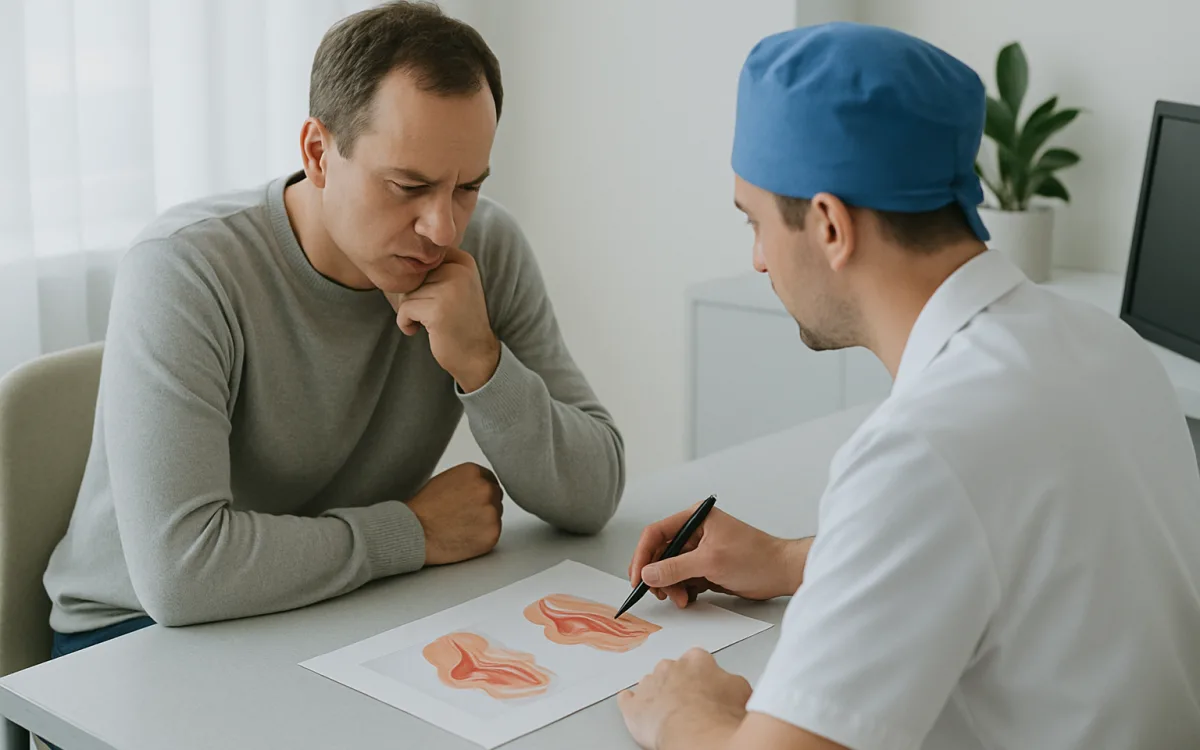
Are You a Good Candidate for Rhinoplasty? Honest Factors to Consider
Learn the true physical and psychological criteria for rhinoplasty in Turkey, including candidacy, risks, and what surgeons look for.
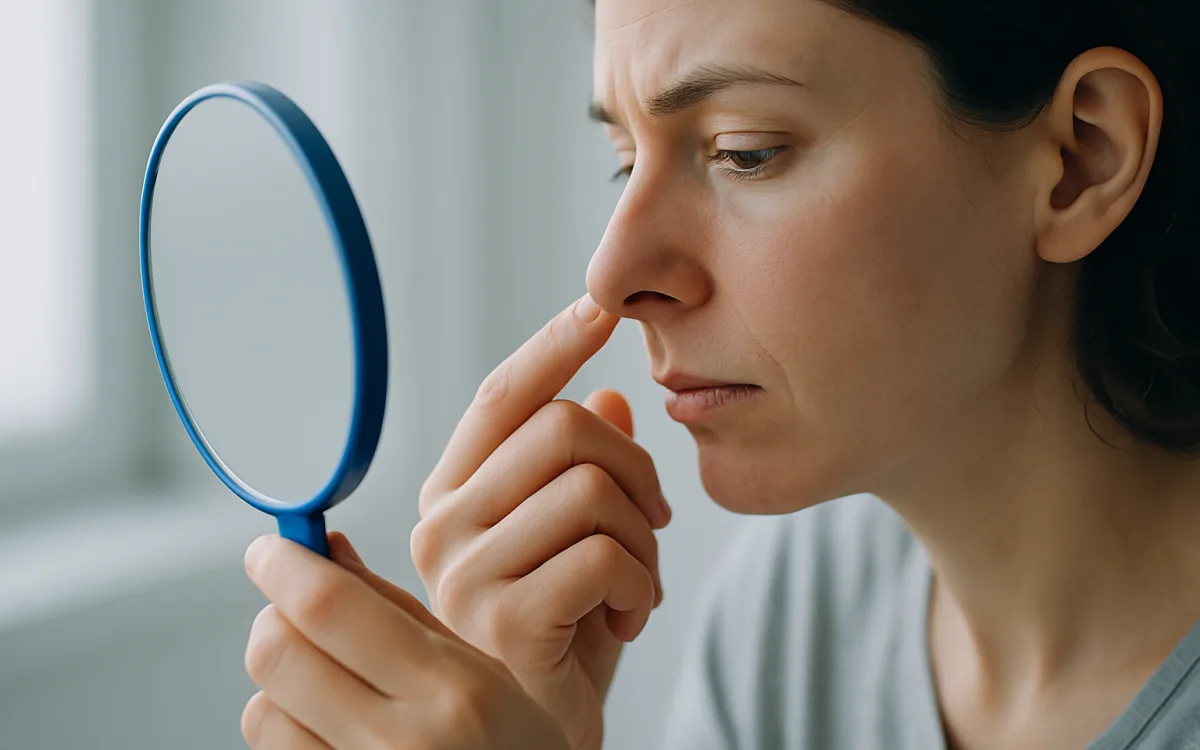
Revision Rhinoplasty in Turkey: Unique Challenges and What to Expect
Learn how revision rhinoplasty differs from a first nose surgery, why waiting 12 months is critical, what raises costs, and how to choose a surgeon.

Rhinoplasty Risks and the Red Flags to Walk Away From
Understand the risks, complication rates, and warning signs before choosing rhinoplasty in Turkey. Make an informed, safer decision.
Why ask us for the quote
- One enquiry, quotes from several vetted clinics — you compare, nobody pressures you.
- We ask for the information a surgeon needs to quote: no photo upload, no medical files.
- Every clinic on our list holds a Turkish Ministry of Health licence and treats international patients.
- You keep your language: we pass on which of the 12 languages you want to be answered in.
- No fee to you, ever. Clinics pay us, and that is written on this page rather than hidden.
- We are not a clinic and never treat anyone — so we have no reason to talk you into surgery.