Septorhinoplasty in Turkey: Understanding Function and Form

If you’re considering rhinoplasty in Turkey and have trouble breathing through your nose, you may need more than just a cosmetic change. Septorhinoplasty is a specialised operation that addresses both nasal appearance and function, often correcting a deviated septum at the same time as reshaping the nose.
Understanding the difference between cosmetic and functional surgery is critical. Fixing the outside without correcting internal problems can make breathing worse, not better. This guide explains what septorhinoplasty is, how functional and cosmetic goals differ, why a septoplasty alone won’t straighten a crooked nose, and what insurance may cover.
What Is Septorhinoplasty?#
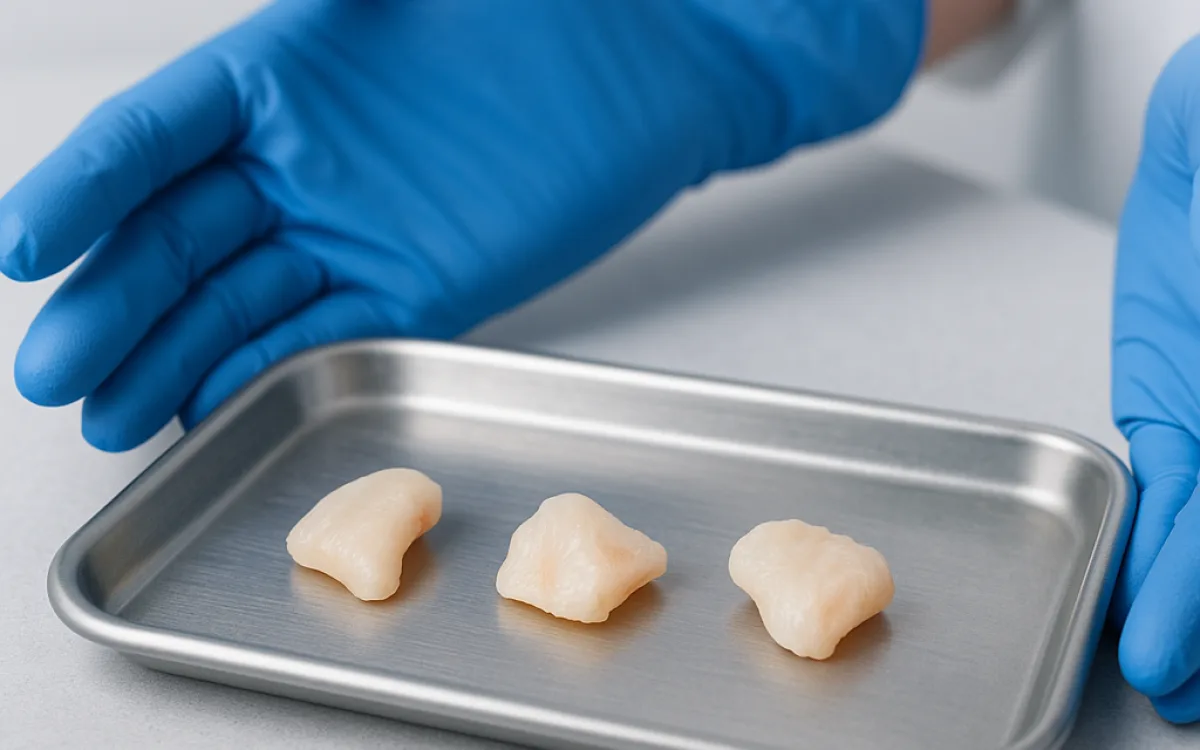
Septorhinoplasty is a procedure that combines septoplasty (correction of a deviated septum) with rhinoplasty (reshaping the nose). While rhinoplasty often focuses on appearance, septoplasty aims to improve airflow by straightening the cartilage and bone inside the nose. In many cases, especially after injury or with congenital deformities, the two issues overlap: correcting the septum alone rarely straightens a visibly crooked nose, and cosmetic reshaping can affect breathing if not planned properly. This combined approach is common in rhinoplasty Turkey clinics, especially for international patients seeking both better breathing and a more harmonious facial profile.
Functional vs Cosmetic: What’s the Difference?#
| Aspect | Functional (Septoplasty) | Cosmetic (Rhinoplasty) |
|---|---|---|
| Goal | Improve airflow, fix deviation | Change shape, size, profile |
| Insurance Coverage | Often covered | Usually not covered |
| Techniques Used | Straighten septum, remove obstructions | Refine tip, reduce hump, narrow bridge |
| Risks | Persistent obstruction, bleeding | Irregularity, dissatisfaction |
| Recovery | 1-2 weeks for swelling, months for full healing | 1-2 weeks for bruising, up to a year for final shape |
Always clarify with your surgeon which parts of your operation are considered medically necessary and which are cosmetic.
A Deviated Septum: More than Just Crookedness#
A deviated septum occurs when the thin wall between the nostrils is bent to one side, reducing airflow and sometimes causing sinus problems, snoring, or sleep disruptions. It can be congenital or the result of injury. Many people have some septal deviation without symptoms, but significant bends can block breathing. Correcting the septum alone (septoplasty) addresses function but won’t straighten a visibly crooked nose or fix external deformities—these require rhinoplasty techniques. For international patients seeking rhinoplasty Turkey offers, knowing if your problem is internal, external, or both is key to choosing the right operation.
When Appearance and Function Collide#
- Cosmetic-only rhinoplasty can worsen breathing if the nasal support structures are weakened.
- Functional repair without external reshaping may leave the nose visibly crooked.
- A combined approach requires a surgeon skilled in both septal and external nasal reconstruction.
- Internal and external nasal valve collapse are risks if support is not maintained during surgery.
- Consultation should include a full functional assessment, not just photos.
Ask your clinic whether your planned changes could affect breathing, and request a demonstration (like Cottle’s test) in your examination.
Internal and External Nasal Valve Collapse Explained#
Nasal valves are the narrowest parts of the airway, and collapse (when these areas narrow excessively during breathing) is a common cause of post-rhinoplasty obstruction. The internal nasal valve is just above the septum, while the external valve includes the nostril entrance. Surgery that removes too much support or tissue can weaken these structures. Modern rhinoplasty Turkey clinics use grafts (often cartilage from the septum or ear) to reinforce these areas, but over-reduction or technical errors can still cause problems. Valve collapse is difficult to fix and may require revision surgery, so careful planning and conservative technique are essential.
Insurance and Budget Planning for Septorhinoplasty#
Insurance policies, especially outside Turkey, usually only cover the functional part of the operation and require documentation of breathing problems. Cosmetic changes are almost never reimbursed. In Turkey, combined procedures are often quoted as a single package, with the price varying by technique, hospital, and surgeon experience.
| Component | Insurance Coverage (Typical) | Patient Cost in Turkey (€) |
|---|---|---|
| Septoplasty (Functional) | Often covered if medically necessary | €2,000–€3,000 |
| Rhinoplasty (Cosmetic) | Rarely covered | €2,500–€4,500 |
| Combined Septorhinoplasty | Partial coverage possible | €3,500–€6,000 |
| Consultation & Scans | Partially covered | €100–€250 |
| Revision Surgery | Not covered | €3,500–€7,000 |
Am I a Good Candidate for Septorhinoplasty?#
- You have a clinically diagnosed deviated septum causing significant symptoms.
- You wish to address both function (breathing) and form (appearance) in one operation.
- You have realistic expectations and understand that healing can take up to a year.
- You do not have uncontrolled medical conditions that increase surgical risk.
- You are prepared for the possibility of revision surgery if functional issues persist.
If your motivation is purely cosmetic and you have no breathing problems, a standard rhinoplasty may suffice.
How to Choose a Surgeon and Prepare for Recovery#
Surgeon choice is critical, especially for complex septorhinoplasty. Look for a board-certified facial plastic or ENT surgeon with specific experience in combined functional and cosmetic nasal surgery. Ask to see evidence of prior experience (not just photos) and ensure your consultation covers both breathing and appearance. Recovery is gradual: you may return to work in 10–14 days, but swelling and subtle changes continue for up to a year. Avoid contact sports for at least six weeks, and follow all aftercare instructions precisely for the best functional outcome.
Questions people ask
Can septorhinoplasty fix both my breathing and the shape of my nose?
Septorhinoplasty is designed to address both issues, but it’s important to know that correcting the septum improves function, while reshaping the nose is a separate technical step. Not all surgeons are equally experienced in both, and not all noses are suitable for dramatic changes. Results in both appearance and breathing depend on anatomy, surgical skill, and healing, so there are no guarantees. Always discuss your priorities and concerns in detail before committing.
Will insurance cover my septorhinoplasty in Turkey?
Most international insurance plans only cover the functional part (septoplasty) when there is clear evidence of medical need, such as a deviated septum causing breathing problems. Cosmetic changes are almost never covered. If you are travelling for rhinoplasty Turkey clinics usually quote a single price for combined surgery; you should clarify with your insurer and the clinic what documentation you’ll need and what portion, if any, might be reimbursed.
What are the risks if only the appearance is changed without correcting function?
Altering the external shape of the nose without addressing underlying septal or valve issues can actually worsen breathing problems, even if the nose looks straighter. Over-reduction of cartilage or bone may cause internal or external nasal valve collapse, leading to obstruction that can be difficult to repair. This is why a detailed assessment of both function and form is essential, and why choosing a surgeon skilled in both aspects is critical for a safe, satisfactory result.
rhinoplasty Turkeyseptorhinoplasty explaineddeviated septum surgery Turkeyfunctional vs cosmetic rhinoplastynasal valve collapse risksseptoplasty and rhinoplasty combined