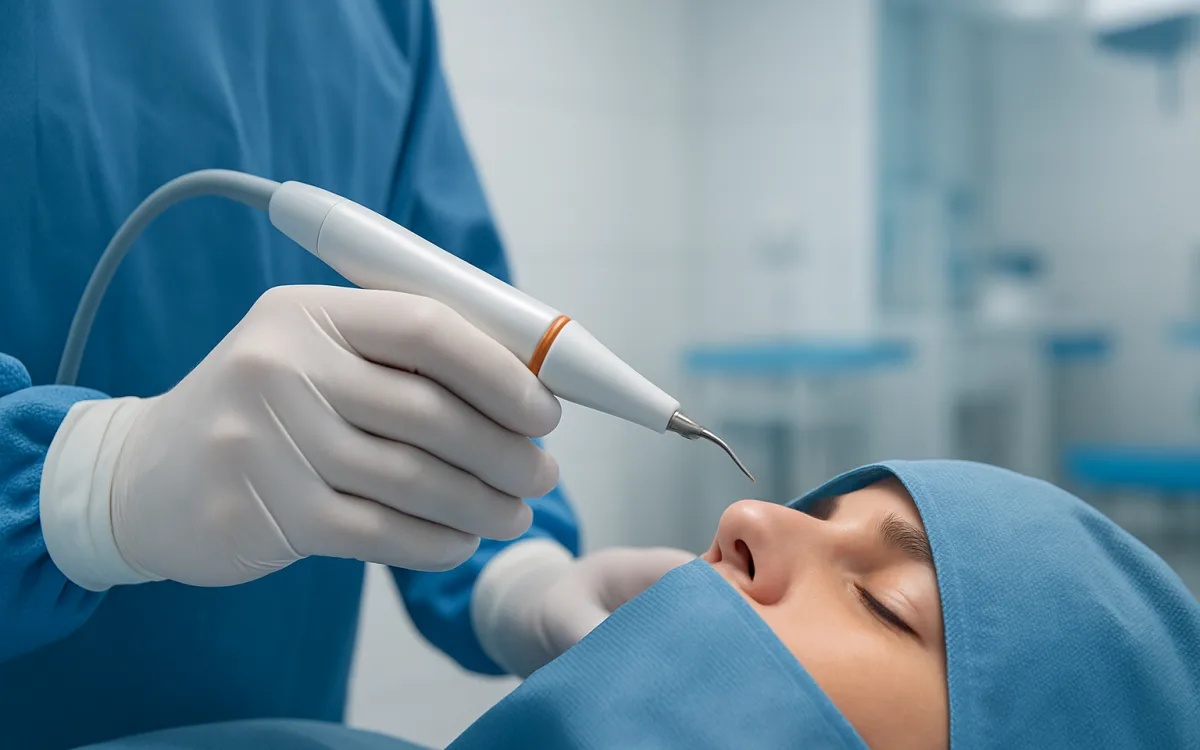
Preservation and Ethnic Rhinoplasty: Modern Approaches in Turkey

Rhinoplasty in Turkey is moving beyond one-size-fits-all surgery, with two key trends gaining prominence: preservation rhinoplasty, which maintains the nose’s natural structures, and ethnic rhinoplasty, which respects the unique anatomy and proportions of each individual. These modern techniques aim to refine rather than erase, offering international patients options that prioritise both function and identity.
Understanding what can and cannot be achieved with these approaches is essential before making any decision. Not everyone is a candidate for preservation or ethnic rhinoplasty, and results depend heavily on your starting anatomy, particularly skin thickness and cartilage strength. This guide gives you a clear overview of what these techniques involve, their benefits and limitations, and how to assess whether they align with your goals.
What Does Dorsal Preservation Rhinoplasty Preserve?#
Dorsal preservation rhinoplasty is designed to keep the natural bridge (dorsum) of the nose intact, removing a hump by modifying internal structures instead of cutting away bone and cartilage from above. By lowering the dorsum as a single unit, the nasal profile can be refined while maintaining the continuity of the nasal roof, which may reduce the risk of visible irregularities and unnatural contours. This approach is most suitable for patients with straight, regular nasal bones and a moderate hump. However, it is not suitable for everyone—complex deviations, very large humps, or previous trauma can make preservation less effective or even impossible.
Limits and Candidacy: Who Should Not Have Preservation Rhinoplasty?#
| Factor | Suitable for Preservation? | Why/Why Not |
|---|---|---|
| Mild to moderate dorsal hump | Yes | Preservation can refine without removing the dorsum. |
| Severe nasal deviation | No | Traditional reconstruction needed for correction. |
| Thick skin | Sometimes | Results may be less visible; requires careful planning. |
| Previous nose surgery | Rarely | Scar tissue makes preservation difficult. |
| Very soft cartilage | No | Lack of support limits safe preservation. |
A thorough in-person assessment with a qualified surgeon is essential to determine whether preservation rhinoplasty is possible.
Ethnic Rhinoplasty: Refining, Not Erasing#
Ethnic rhinoplasty is a philosophy as much as a technique. The aim is to enhance nasal proportions and function while respecting the features that reflect someone’s heritage, rather than imposing a standardised idea of beauty. Surgeons in Turkey offering ethnic rhinoplasty will often use grafts or support structures (such as cartilage from the septum, ear, or rib) to reinforce the nose, particularly when working with thicker skin or weaker cartilage types. The planning process involves careful discussion about personal identity, cultural expectations, and realistic changes.
Skin Thickness and Cartilage Strength: Why They Matter#
- Thick skin can limit visible refinements and may require additional sculpting techniques.
- Thin skin increases the risk of visible irregularities after surgery.
- Weak cartilage may need grafts for support and to avoid collapse.
- Strong cartilage allows for more predictable reshaping.
- Patients with very thick skin or weak cartilage may need to adjust their expectations.
A surgeon’s assessment of your skin and cartilage is a key step in planning rhinoplasty Turkey patients can trust.
Preservation Versus Traditional Rhinoplasty: Key Differences#
| Aspect | Preservation Rhinoplasty | Traditional Rhinoplasty |
|---|---|---|
| Approach | Keeps dorsal roof intact | Removes and rebuilds dorsal roof |
| Ideal patient | Regular anatomy, mild hump | Complex or post-traumatic cases |
| Recovery time | Often shorter swelling phase | Swelling may last longer |
| Risk of irregularities | Lower | Higher, especially in thin skin |
| Revision rate | Similar | Similar |
Cost Factors in Turkish Rhinoplasty: What to Budget For#
- Preservation rhinoplasty: €2,200–€3,500, depending on anatomical complexity.
- Ethnic rhinoplasty with grafting: €2,500–€4,000, reflecting additional surgical steps.
- Prices vary with surgeon experience, hospital accreditation, and location.
- Budget for travel, accommodation, and possible follow-up visits.
- Revision surgery or unexpected adjustments may increase total costs.
Always request a written quote from a vetted clinic before making travel arrangements.
Planning for Recovery: A Year, Not a Week#
Initial swelling can subside within 2–4 weeks, but subtle changes and refinement continue for 9–12 months after surgery. For ethnic rhinoplasty, thicker skin may mean swelling resolves more slowly. Most international patients can return home within 7–10 days, but ongoing remote follow-up is typical. Planning for a year-long recovery helps set realistic expectations and ensures you have support if issues arise along the way.
Questions people ask
How do I know if I am a candidate for preservation rhinoplasty in Turkey?
Candidacy depends on your nasal anatomy: mild to moderate dorsal humps, regular nasal bones, and good cartilage support favour preservation rhinoplasty. Thick skin or previous nasal trauma may limit your options. Only a qualified surgeon can give you a personalised assessment after a thorough examination, so consider arranging an in-depth evaluation before committing to surgery in Turkey.
Will ethnic rhinoplasty change my appearance too much?
Ethnic rhinoplasty aims to enhance rather than erase your features, refining the nose while respecting your natural proportions and cultural identity. Your surgeon should discuss what is achievable and what changes will look natural on your face. If you are seeking a nose that does not fit your background, or if you are unsure about desired changes, take extra time to consider whether surgery is the right choice.
What are the main risks of preservation and ethnic rhinoplasty?
All rhinoplasty carries risks such as infection, bleeding, and dissatisfaction with the outcome. Preservation techniques can be less invasive but may not be suitable for all anatomies, and ethnic rhinoplasty can be limited by skin thickness and cartilage quality. In some cases, revision surgery may be needed. Honest pre-surgical assessment and choosing a reputable Turkish clinic are the best ways to minimise risks.
rhinoplasty Turkeypreservation rhinoplasty Turkeyethnic nose surgery Turkeyis dorsal preservation right for mebest clinics for ethnic rhinoplasty Turkeycost of preservation rhinoplasty in Turkey