Open vs Closed Rhinoplasty in Turkey: Access, Scarring, and Suitability
Choosing between open and closed rhinoplasty is one of the first big decisions for anyone considering nose surgery in Turkey. While both techniques aim to improve function and appearance, the way a surgeon accesses your nasal structures—through a single external cut or entirely inside the nostrils—affects the operation, recovery, and even the range of changes possible.
This guide explains the real differences between open and closed rhinoplasty, including exactly what the columellar scar looks like after a year, which cases genuinely benefit from open access, and how each technique can impact swelling, healing, and your budgeting process. Our independent approach means you get honest answers, not a sales pitch.
What Is the Actual Difference Between Open and Closed Rhinoplasty?#
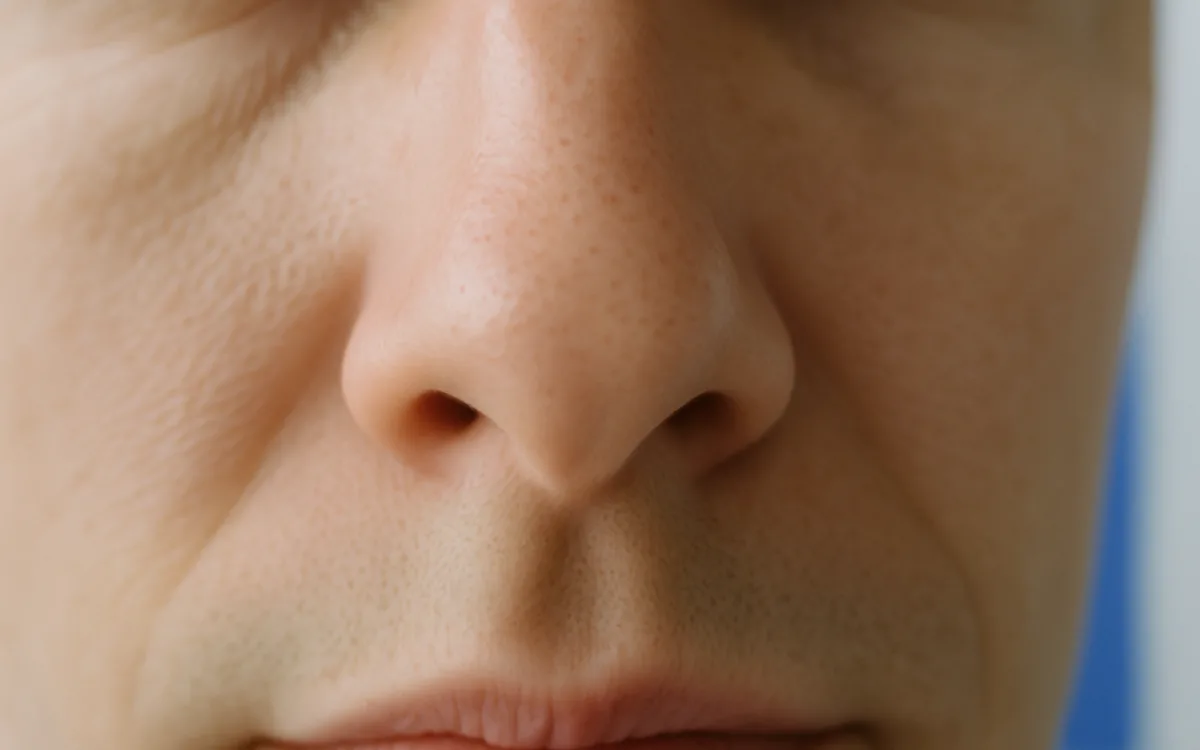
The only external difference between open and closed rhinoplasty is a small incision across the columella—the strip of skin between the nostrils. This gives the surgeon direct visibility and access to the nasal tip and underlying cartilage, which can be crucial for complex reshaping or revision cases. Closed rhinoplasty is performed entirely through incisions hidden inside the nostrils, resulting in no visible scar but a narrower working space. Both can be effective, but the choice affects what can be achieved and how the nose heals in the weeks and months after surgery.
| Technique | Incisions | Visibility |
|---|---|---|
| Open Rhinoplasty | Across columella + inside nostrils | Full view of nasal structures |
| Closed Rhinoplasty | Inside nostrils only | Limited view, no external scar |
How Does the Columellar Scar Heal After Open Rhinoplasty?#
A well-closed columellar incision typically heals as a thin, faint line that is hard to spot in normal lighting by one year post-surgery. Early on, the scar may appear pink and slightly raised, but with proper care—such as taping, silicone gel, and sun protection—it usually fades significantly. In rare cases, the scar can remain visible or become thickened, especially in patients with a tendency to form keloids. It's important to see real, unedited photos from your surgeon and discuss your own risk factors before deciding.
No legitimate clinic should guarantee that a scar will be completely invisible, as healing varies from person to person.
Which Cases Truly Need Open Rhinoplasty?#
Not every procedure needs open access. Closed rhinoplasty is often suitable for straightforward dorsal hump removal or minor adjustments, while open rhinoplasty is usually reserved for technically challenging cases where direct visualisation and precise cartilage work are critical. If a surgeon recommends open rhinoplasty, ask specifically why, and ensure it’s justified by your individual anatomy and goals rather than simply being their default approach.
- Major changes to nasal tip shape or projection
- Significant asymmetry or crooked noses
- Complex revision (secondary or tertiary) rhinoplasty
- Severe trauma, congenital deformity, or cleft-related reshaping
- Some ethnic rhinoplasty cases requiring detailed graft placement
Swelling, Recovery, and When You’ll Look ‘Normal’ Again#
Open rhinoplasty generally causes more swelling—particularly at the nasal tip—that can last several weeks or months. Closed rhinoplasty patients may see a ‘normal’ appearance sooner, but both techniques require up to a year for the nose to fully settle. Proper aftercare, taping, and patience are vital parts of the recovery process, especially for international patients planning time in Turkey.
| Technique | Initial Swelling | Normal Appearance (weeks) | Final Result (months) |
|---|---|---|---|
| Open | More, especially at tip | 3-6 | Up to 12 |
| Closed | Less overall | 2-4 | 6-12 |
Cost Differences and Budgeting in Turkey#
Prices for rhinoplasty in Turkey vary widely depending on the surgeon, clinic location, and complexity of the procedure. Open rhinoplasty generally costs more due to longer operating time and the level of technical detail involved. The figures above exclude flights and hotel stays. Be wary of clinics that offer a single flat rate for all cases, as more complex noses require more time and skill.
- Open rhinoplasty in Turkey: €2,200–€4,000
- Closed rhinoplasty in Turkey: €1,900–€3,500
- Higher fees usually reflect greater complexity, surgeon’s experience, or revision cases
- Budget for travel, accommodation, and time off work (7–14 days minimum in Turkey)
- Always request a detailed written quote before making commitments
Are You a Good Candidate for Open or Closed Rhinoplasty?#
Not everyone is a good candidate for rhinoplasty, or for one specific technique. If you seek minor changes and have a straightforward nose shape, closed rhinoplasty may suffice. For tip work, significant asymmetry, or after prior surgery, open may be necessary. Candidates must also be mentally prepared: you should not expect perfection, and surgery is not a cure for self-esteem problems. If your motivations are unclear or you have been denied surgery elsewhere, reconsider before looking abroad.
- You have realistic expectations and understand the recovery process takes up to a year
- Your main concerns can be addressed with the chosen technique
- You are in good general health, with no untreated nasal or systemic conditions
- You have consulted more than one surgeon and received honest, written recommendations
How to Check Your Surgeon Before You Commit#
Choosing a qualified, transparent surgeon is the most important factor in a safe, satisfactory rhinoplasty Turkey experience. Look for doctors who take the time to explain their reasoning, show real results (not just social media highlights), and are clear about what you can and cannot expect. An independent referral service can help you connect with properly vetted clinics that provide honest written quotes.
- Ask which technique they recommend for your case—and why
- Request to see unedited scar photos from patients at 1 week, 1 month, and 1 year
- Check for Turkish Board of Plastic, Reconstructive and Aesthetic Surgery certification
- Read independent reviews from other international patients
- Ensure you get a written, detailed treatment plan and price quote before paying anything
Questions people ask
Will the columellar scar from open rhinoplasty be visible forever?
Most patients find that the columellar scar fades into a fine, pale line within 6–12 months, becoming hard to notice in everyday life. However, genetics, skin type, and aftercare all play a role. A small minority—especially those prone to thick or keloid scarring—may have a more noticeable mark. No surgeon can guarantee total invisibility, so it’s worth discussing your own risk factors in detail and viewing long-term scar photos before you decide.
Is open rhinoplasty always better than closed rhinoplasty in Turkey?
No technique is objectively ‘better’; it depends on your nasal anatomy, goals, and the surgeon’s assessment. Open rhinoplasty offers superior visibility, which is crucial for complex tip work, asymmetry, or revisions. Closed rhinoplasty may be sufficient for simpler cases and has the advantage of no external scar and potentially faster recovery. A thorough in-person consultation is essential to determine which approach matches your needs.
How long do I need to stay in Turkey after rhinoplasty?
Most international rhinoplasty Turkey patients stay a minimum of 7 to 10 days after surgery, whether open or closed. This allows for removal of external splints and stitches, and for early complications to be detected and managed. Swelling and bruising will still be present, so plan for gentle sightseeing rather than a ‘holiday’ during this period. A longer stay may be needed for complex or revision cases, and you should always confirm your return-to-fly date with your surgeon.
rhinoplasty Turkeyopen vs closed rhinoplastycolumellar scar after rhinoplastybest technique for nose surgery Turkeyrhinoplasty recovery timeplastic surgeons Turkey reviews