Rhinoplasty Aftercare: The Rules That Matter Most for a Safe Recovery
After rhinoplasty in Turkey, your recovery depends as much on what you do at home as what happens in the operating room. While the surgery itself may only take a few hours, the healing process will shape your long-term results and your comfort in the critical first weeks.
Following aftercare rules isn’t just about ticking boxes — each restriction has a reason, from protecting delicate nasal tissues to avoiding complications like bleeding or infection. Here’s what to know about the first two weeks after your operation, why certain habits matter, and how to plan for a steady recovery if you’re travelling from abroad.
The Critical First 14 Days: What To Do — and Avoid#
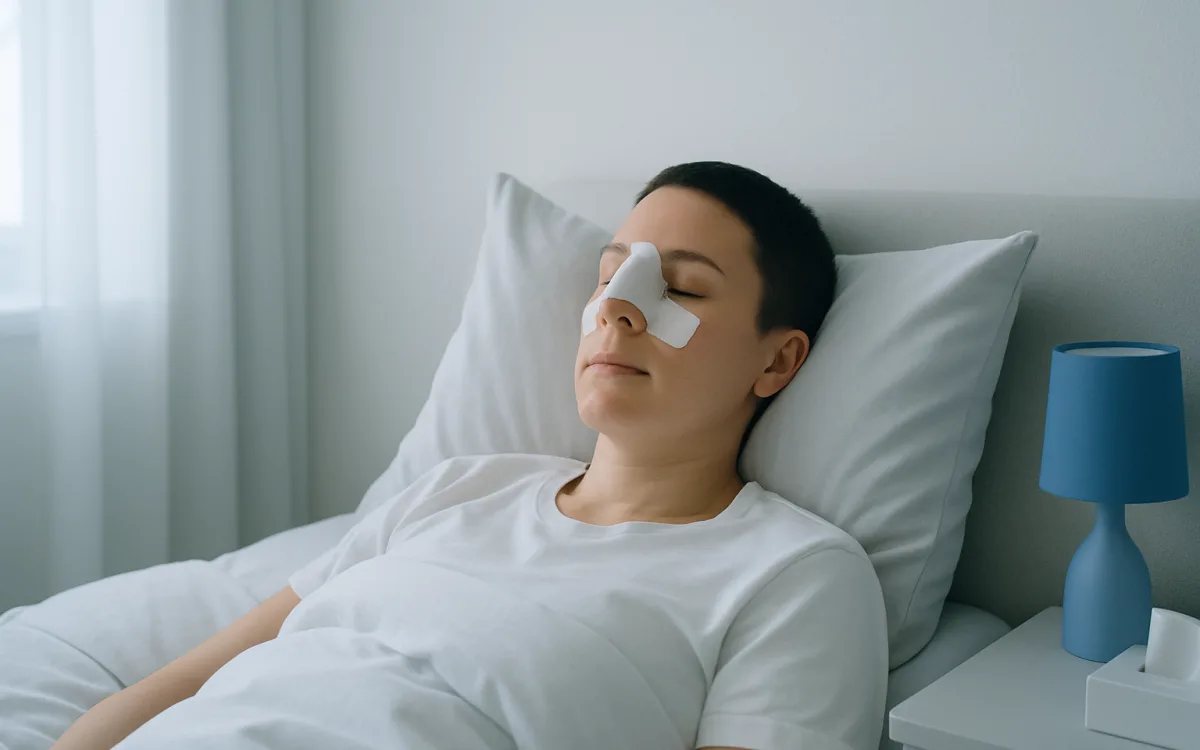
- Sleep with your head elevated (at least 30 degrees) for 7-10 nights.
- Do not blow your nose for at least two weeks, even gently.
- Avoid strenuous activity, bending over, or heavy lifting.
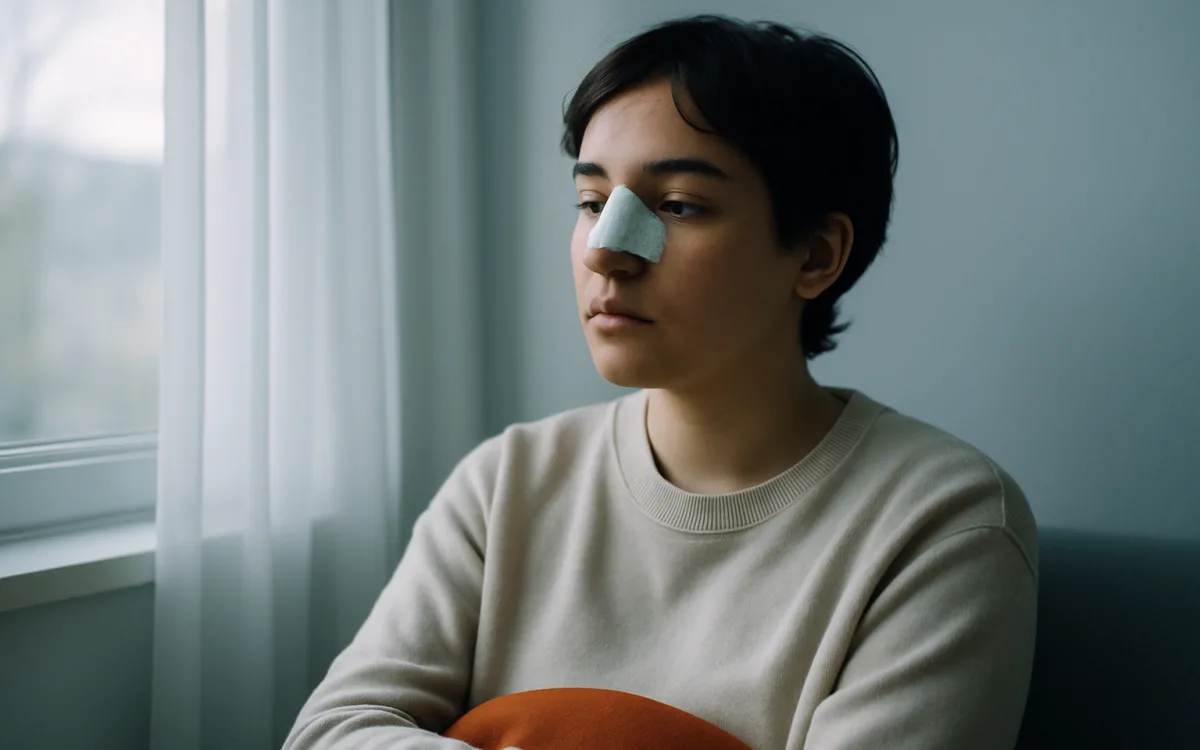
- Keep nasal dressings and splints dry and do not remove them yourself.
- Use saline spray or rinse only if prescribed by your surgeon.
- Do not wear glasses or sunglasses on your nose.
- Stay out of direct sun and avoid high temperatures (saunas, hot showers).
Following these guidelines reduces the risk of bleeding, infection, and shifting of delicate nasal structures.
Why Blowing Your Nose Is a Major Risk#
After rhinoplasty, the inner structures of your nose are healing from incisions, delicate reshaping, and sometimes from the placement of grafts or internal splints. Blowing your nose too soon can cause sudden pressure that disrupts these repairs, leading to bleeding, swelling, or even displacement of tissues. Even a gentle blow can break tiny blood vessels or open internal wounds, increasing the risk of infection or prolonged healing. If you feel congested, use gentle dabbing with tissue and consider a saline spray if—and only if—your surgeon has approved it. If you experience an urgent need to clear your nose, contact your clinic for advice before taking action.
Do not use over-the-counter decongestant sprays without medical advice; they can worsen swelling.
How Long Must Glasses Stay Off After Rhinoplasty?#
Nasal bones and cartilage are vulnerable to pressure during the initial healing phase. Wearing glasses too soon can cause dents, shifting, or delayed healing. If you absolutely must wear glasses, some patients use cheek supports, tape, or custom frames that bypass the nose. Always check with your surgeon before resuming glasses, especially if you had structural work done.
| Type of Glasses | Earliest Safe Use | Precautions |
|---|---|---|
| Prescription/Sunglasses | 4-6 weeks | Use tape or support to keep them off the nose bridge |
| Light Reading Glasses | 3-4 weeks | Rest on cheeks, not nose, if necessary |
| Contact Lenses | After 1 week | Only if you normally tolerate them |
Salt Water, Sun and Swelling: What Helps and What Hurts#
- Salt water (saline) rinses can reduce crusting and promote gentle cleaning if prescribed.
- Direct sunlight increases swelling and risks pigmentation changes on healing skin.
- Swimming in pools or the ocean is not advised for at least three weeks post-op.
- Icy compresses may help reduce swelling during the first 48 hours, but avoid direct contact with your nose.
Sun exposure can permanently darken scars or make swelling worse; wear a wide hat outdoors.
Travelling Home: Flying After Rhinoplasty in Turkey#
Most international rhinoplasty Turkey patients stay in the country at least 7-10 days after surgery. Air travel too soon can increase swelling and the risk of nosebleeds, especially during take-off and landing when cabin pressure shifts. Always get your surgeon’s written clearance before booking a return flight. Bring saline spray and be prepared for mild congestion on the plane.
| Time After Surgery | Flight Recommendation | Risks |
|---|---|---|
| 3-5 days | Not advised | Nasal bleeding, pressure changes, unmonitored complications |
| 7-10 days | Possible with surgeon’s approval | Mild swelling, discomfort |
| 14+ days | Generally safe | Minimal risk if healing is on track |
Signs That Demand Medical Attention#
- Persistent or severe bleeding that soaks through bandages
- Sudden, worsening pain that is not relieved by prescribed painkillers
- Fever over 38°C (100.4°F) or chills
- Green or foul-smelling discharge from the nose
- Vision changes or sudden swelling around the eyes
International patients should know the local clinic’s emergency contact and have a back-up plan for hospital care.
When Rhinoplasty Aftercare Means Saying No#
Not everyone is a good candidate for rhinoplasty, and strict aftercare is non-negotiable. If you cannot commit to the restrictions—especially avoiding nose-blowing, sleeping upright, and refraining from wearing glasses on your nose—it may be safer to delay or reconsider surgery. Medical conditions like bleeding disorders, uncontrolled allergies, or chronic sinus infections can complicate both your surgery and recovery. Honest self-assessment and transparent communication with your chosen clinic are essential for your safety and satisfaction.
Choosing a reputable surgeon through a careful referral process is as important as following aftercare rules.
Questions people ask
How soon can I return to normal exercise after rhinoplasty in Turkey?
Most surgeons recommend avoiding strenuous exercise, running, or heavy lifting for at least three to four weeks after rhinoplasty. Light walking is usually encouraged after a few days, but any activity that raises blood pressure can increase swelling or risk bleeding. Always confirm with your surgeon before resuming your typical workout routine, especially if you had significant structural changes.
Is it safe to use saline sprays or nasal rinses after rhinoplasty?
Saline sprays or gentle rinses are sometimes recommended to keep the nasal passages moist and reduce crusting, but only use them if your surgeon specifically approves. Too much force or the wrong technique can disrupt healing tissues. Never use over-the-counter medicated nasal sprays without explicit instructions, as these can worsen swelling or delay recovery.
What happens if I accidentally bump my nose during the recovery period?
A minor bump might only cause temporary swelling or bruising, but a hard impact can shift nasal bones or cartilage, especially in the first four weeks. If you notice increased pain, a change in shape, or any bleeding after a knock, contact your clinic or surgeon immediately. It’s better to have your nose checked, even if you’re far from your original clinic, to avoid long-term complications.
rhinoplasty Turkeyrhinoplasty aftercare rulesflying after nose surgeryglasses after rhinoplastynose surgery recovery tipswhat not to do after rhinoplasty