Nose Type Identifier
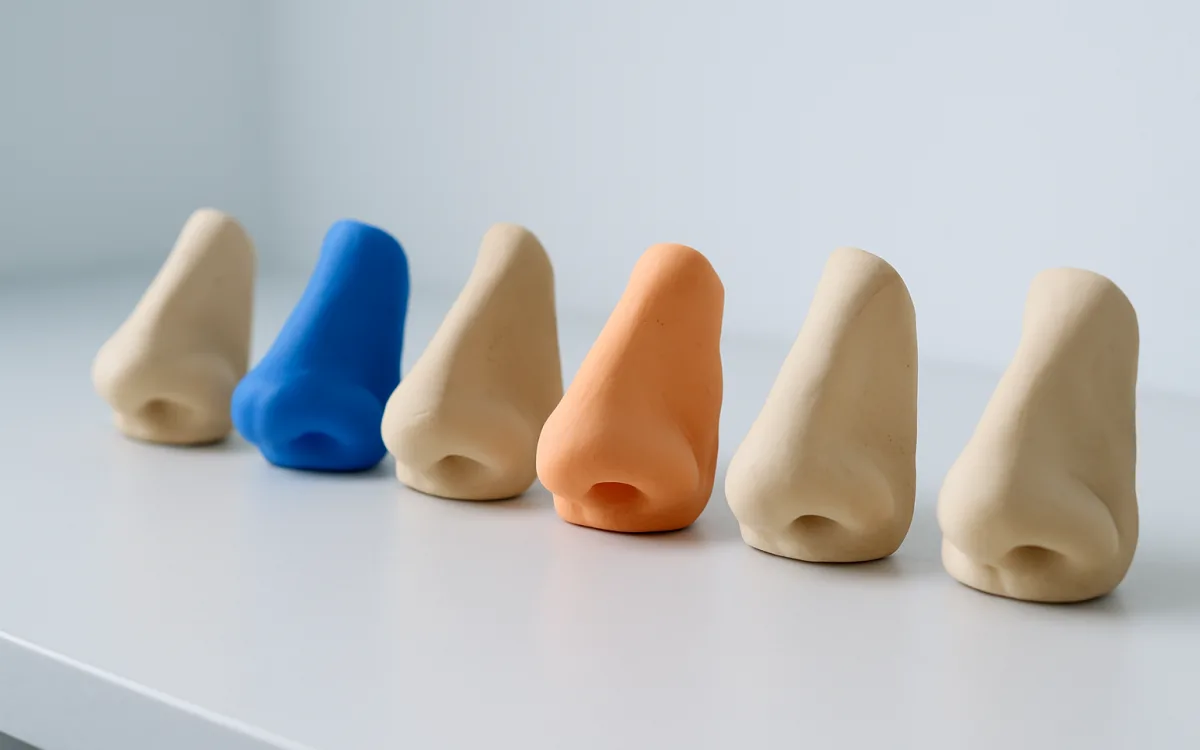
Five questions about your profile, tip, width, symmetry and breathing, and the tool shows which kind of operation is usually discussed for that combination.
Nose Type Identifier
Five questions about your profile, tip, width, symmetry and breathing, and the tool shows which kind of operation is usually discussed for that combination.
A description of what is usually done, not a plan for you. The operation you actually need is decided from an examination of your cartilage, bone and airway.
How to read the result
- The more boxes you tick, the more structural the operation becomes — and the more it matters that the surgeon does this specific kind of nose regularly.
- If you answered that breathing is difficult, that changes the operation from cosmetic to functional-and-cosmetic, and often changes what insurance will consider.
- Skin thickness is the factor this tool cannot see and the one that most limits how much definition is achievable. Ask about it at your consultation.
Frequently asked questions
What is the difference between a rhinoplasty and a septorhinoplasty?
A rhinoplasty reshapes the outside of the nose. A septorhinoplasty does that and straightens the septum, the partition inside that divides the two airways. The distinction matters practically: a deviated septum is a common cause of a crooked-looking nose, and correcting the outside without correcting the inside tends to leave the nose looking straighter but breathing no better — or occasionally worse, because narrowing an already restricted airway makes it more restricted.
Does skin thickness affect the result?
More than almost anything else, and it is the factor patients hear about least. Thin skin shows every detail of the underlying framework, which means refinement is visible but so is any irregularity. Thick skin drapes over the structure and hides definition, holds swelling for far longer — often eighteen months or more at the tip — and limits how narrow a tip can be made to look. Neither is better; they simply require different plans, and a surgeon who does not mention your skin at the consultation has skipped an important conversation.
Can a photograph tell me what my nose needs?
It can start the conversation and no more. A photograph shows shape but not the strength of the cartilage, the thickness of the skin, the state of the septum or how the airway behaves when you breathe in hard — and all four change the operation. Most surgeons will give an indicative plan from photographs so you can compare quotes, then confirm or revise it at the in-person examination. A clinic that gives you a fixed, final plan from a photograph alone is selling a package rather than planning an operation.
Related guides
Open vs Closed Rhinoplasty in Turkey: Access, Scarring, and Suitability
Explore how open and closed rhinoplasty techniques differ, what the columellar scar looks like, and which option may suit your needs in Turkey.

Septorhinoplasty in Turkey: Understanding Function and Form
This guide explains septorhinoplasty in Turkey, covering functional and cosmetic aspects, insurance basics, and how to plan for a safe recovery.

Rhinoplasty in Turkey: Costs, Clinics, and What to Expect
A clear, independent guide to rhinoplasty in Turkey: what it involves, costs, recovery, and how to check your surgeon before you decide.
Why ask us for the quote
- One enquiry, quotes from several vetted clinics — you compare, nobody pressures you.
- We ask for the information a surgeon needs to quote: no photo upload, no medical files.
- Every clinic on our list holds a Turkish Ministry of Health licence and treats international patients.
- You keep your language: we pass on which of the 12 languages you want to be answered in.
- No fee to you, ever. Clinics pay us, and that is written on this page rather than hidden.
- We are not a clinic and never treat anyone — so we have no reason to talk you into surgery.