Cartilage Grafts in Rhinoplasty: Septum, Ear and Rib Explained
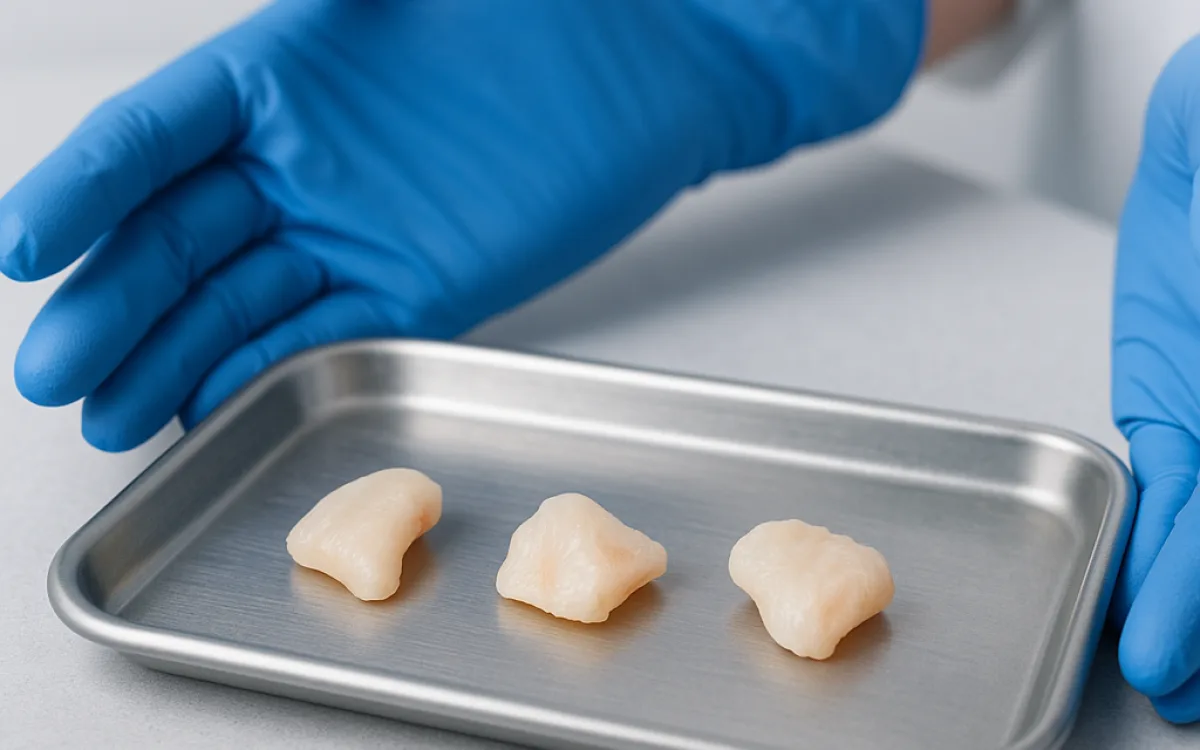
Modern rhinoplasty in Turkey is as much about building structure as it is about reshaping. For many patients—especially those seeking revision, reconstructive, or ethnic rhinoplasty—cartilage grafts play a crucial role in supporting, restoring, or refining the nose. But where does this cartilage come from, and what does harvesting it mean for you?
This guide explains the three main sources of cartilage used in rhinoplasty: septum, ear, and rib. We compare their advantages, drawbacks, and how they affect your recovery and overall experience. You'll get a realistic look at how grafts are chosen, what extra procedures may be involved, and what to expect if your surgeon recommends taking cartilage from another part of your body.
Why Cartilage Grafts Matter in Modern Rhinoplasty#
Many international patients travel to Turkey for rhinoplasty expecting only minor reshaping. However, true structural changes—such as lifting a drooping tip, correcting collapse, or revising a previous surgery—often require extra cartilage to build or reinforce the nose. Grafts can be used to support the bridge, refine the tip, or repair internal valves that affect breathing. This is especially common in revision rhinoplasty, ethnic rhinoplasty, or cases with previous trauma. Understanding when and why a graft is needed helps you budget honestly and set realistic expectations for both appearance and recovery.
Sources of Cartilage: Septum, Ear and Rib Compared#
| Source | Pros | Cons & Added Recovery |
|---|---|---|
| Septum | Usually available during primary surgery; similar texture to nasal cartilage; single surgical site. | Limited amount, especially after previous surgery; not always an option in revision cases; minimal extra recovery. |
| Ear (Conchal) | Readily available if septum is depleted; low risk of visible scarring behind the ear; suitable for smaller grafts. | Requires a second surgical site; mild ear soreness for 1-2 weeks; risk of minor shape change to ear contour. |
| Rib (Costal) | Provides large, strong grafts; essential for major reconstruction or multiple revisions. | Separate incision on chest; risk of chest soreness or scar; adds 2-4 days to recovery and total stay in Turkey. |
The choice of cartilage source depends on your surgical history, anatomy, and the goals of your procedure.
Septal Cartilage: First Choice and Its Limits#
- Most primary rhinoplasty Turkey operations use septal cartilage if available.
- Surgeons harvest it through the same incision as the rhinoplasty, so there's no extra visible scar.
- Volume is limited—previous surgeries, trauma, or congenital issues may mean there's not enough.
- Ideal for structural support and tip refinement in straightforward cases.
Ear Cartilage: A Versatile Backup#
When septal cartilage isn’t available, conchal cartilage from the ear is the next most common choice. It is slightly softer and naturally curved, making it useful for tip work or small onlay grafts. The incision is hidden behind the ear and usually heals well, though patients can expect some mild discomfort and swelling for 1–2 weeks. The ear’s shape is rarely altered in a visible way, but there is a small risk of asymmetry. Patients should factor in this second healing site when planning their recovery, but it rarely extends the time needed in Turkey for the operation.
- Hidden scar behind the ear
- Useful for tip and alar grafts
- Mild soreness and swelling at the donor site
- Rare risk of lasting ear shape change
Rib Cartilage: When and Why It's Used#
Rib cartilage (usually taken from the 6th, 7th or 8th rib) is reserved for cases needing substantial grafting—such as severe trauma, major revision, or congenital defects. It offers a large quantity of strong cartilage but harvesting it creates a second, more significant surgical site. This means an extra incision (3–4 cm) on the chest, extra pain for up to a week, and a risk of chest wall scarring. Because of the need for more careful monitoring after rib harvest, most Turkish clinics require you to stay in the country an additional 2–4 days. It also raises the cost of surgery by €500–€1500, depending on the clinic, because of the extra operating time.
If you have a history of keloid scarring or chest surgery, rib cartilage may not be advisable.
Warping: The Hidden Challenge of Rib Grafts#
One risk unique to rib cartilage grafts is ‘warping’—where the graft bends or twists as it heals. This can affect the shape and symmetry of the nose over months. Experienced rhinoplasty surgeons in Turkey use several technical strategies to reduce this risk. These include careful carving, using central segments of the rib, stabilising the graft with Kirschner wires, or even using diced cartilage wrapped in fascia (the DCF technique). Despite these precautions, a small risk of visible warping remains. This is one reason rib grafts are reserved for cases where other sources are inadequate.
- Warping risk is highest within the first year post-op
- Technical skill and experience are crucial for rib graft success
- Not all clinics offer advanced anti-warping techniques
- Ask your clinic what methods they use to prevent warping
Budgeting and Planning: Honest Recovery and Cost Impacts#
Grafts add not just to the complexity of rhinoplasty Turkey surgeries but also to aftercare and cost. Honest budgeting means factoring in the extra days you may need to spend in Turkey for rib grafts, and the potential for longer healing at donor sites. Always ask for a written, itemised quote from your clinic—including all graft-related charges—before making travel plans.
| Graft Source | Typical Added Cost (€) | Extra Recovery/Stay |
|---|---|---|
| Septum | None | No extra stay |
| Ear | €250–€600 | No extra stay, but ear soreness 1–2 weeks |
| Rib | €500–€1500 | 2–4 extra days in Turkey; chest discomfort up to 1 week |
Questions people ask
Is cartilage from my own body always used in rhinoplasty Turkey procedures?
Autologous cartilage (from your own body) is preferred in most Turkish clinics for structural grafts because it reduces rejection and infection risk. Synthetic materials are rarely used for major support, but may be considered in rare cases when no suitable donor cartilage is available or in minor revision work. Discuss your options in detail with your surgeon.
Will taking cartilage from my ear or rib leave a visible scar?
Ear cartilage is taken from behind the ear, leaving a small, usually well-hidden scar that fades over months. Rib cartilage harvesting leaves a 3–4 cm scar on the chest, which is generally hidden under clothing. Scarring risk is higher if you are prone to keloids or poor wound healing, so disclose your medical history to your surgeon.
Does using a rib graft mean a much longer recovery after rhinoplasty?
Rib cartilage does extend recovery, mainly due to chest discomfort and the need for wound monitoring. You may need to stay in Turkey 2–4 extra days post-surgery for observation. While most patients resume daily activities within 7–10 days, strenuous activity should be avoided for several weeks to allow both nose and chest to heal fully.
rhinoplasty Turkeycartilage graft rhinoplastyear cartilage nose surgeryrib cartilage rhinoplastyseptal graft nose jobrhinoplasty recovery time Turkey