Recovery and Swelling Timeline Planner
Put in your surgery date and the tool turns it into a calendar: cast removal, bruising, the day you can fly, the day you look normal to other people, and the day the result is genuinely final.
Recovery and Swelling Timeline Planner
Put in your surgery date and the tool turns it into a calendar: cast removal, bruising, the day you can fly, the day you look normal to other people, and the day the result is genuinely final.
A typical schedule, not your schedule. Swelling depends heavily on skin thickness and on whether the operation was a revision.
How to read the result
- The cast comes off at a week and the nose is still swollen. What you see that day is not the result, and photographing it will only upset you.
- Thick skin holds swelling far longer than thin skin — the calendar shifts by months, not weeks, which is why the tool asks.
- The tip is always last. If you booked an event, judge it by the bridge rather than the tip and give yourself at least three months.

Frequently asked questions
How long does rhinoplasty swelling last?
Most of the visible swelling settles within two to three weeks, and about 80 per cent is gone by three months. The last 20 per cent takes a year for a primary rhinoplasty and up to two years for a revision or for someone with thick skin. It also resolves unevenly: the bridge settles first and the tip last, which is why noses often look slightly upturned or wide at the tip for months before they look right.
When can I fly after rhinoplasty?
Most surgeons clear a flight seven to ten days after surgery, usually once the cast and any internal splints are out and they have checked you. Cabin pressure itself is not the concern; the reasons for waiting are the risk of bleeding, the need for a check before you leave the country, and the swelling that a long flight makes worse. Rib cartilage harvesting extends the wait because of the chest wound. Book your return flight loosely, and never for the day after surgery.
When can I judge the result?
At twelve months for a primary rhinoplasty with thin or medium skin, and at eighteen months to two years for a revision or for thick skin. Surgeons will not discuss a revision before a year for exactly this reason: operating into tissue that is still remodelling makes the second result less predictable than the first. If something specific worries you at three months, raise it, photograph it and keep a record — but expect the answer to be that it is too early to know.
Related guides

Rhinoplasty Recovery: Your Timeline from Day 1 to Month 18
Understand every stage of rhinoplasty recovery in Turkey, from the first day to when results are truly final. Plan your return to daily life safely.
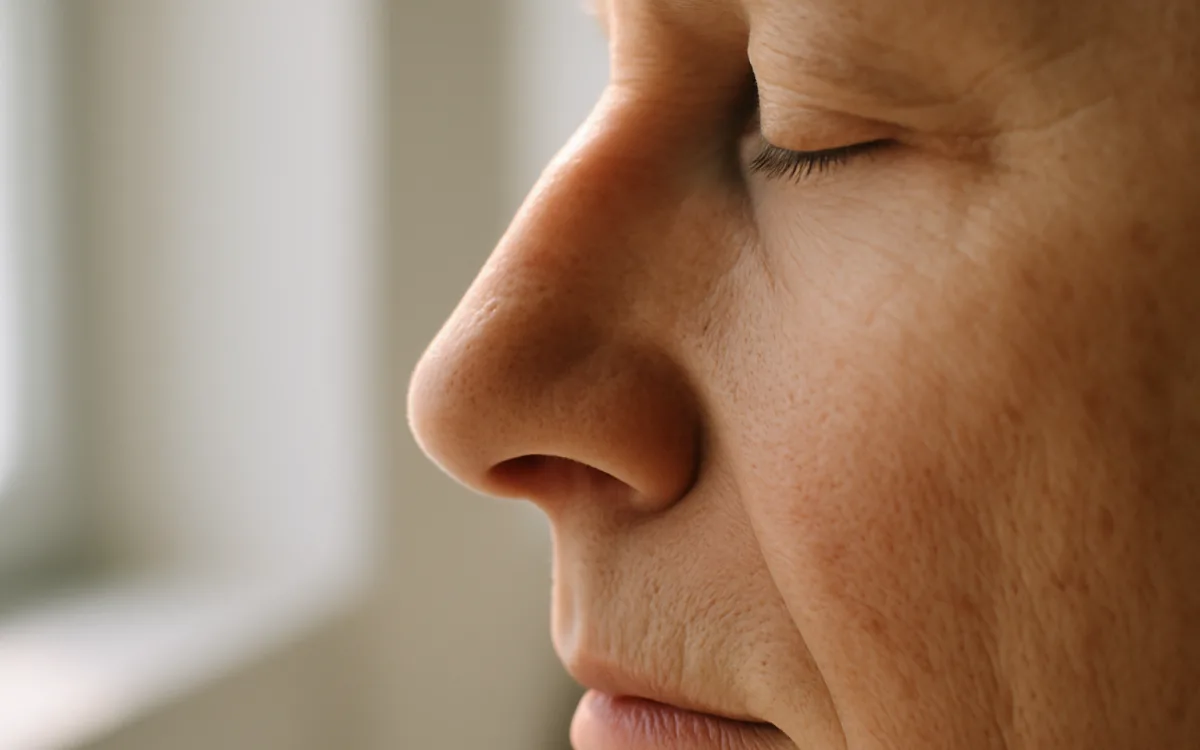
Rhinoplasty Swelling: Why the Tip Takes a Year to Resolve
Discover why swelling after rhinoplasty in Turkey lasts up to a year, especially at the tip, and which aftercare methods genuinely help.
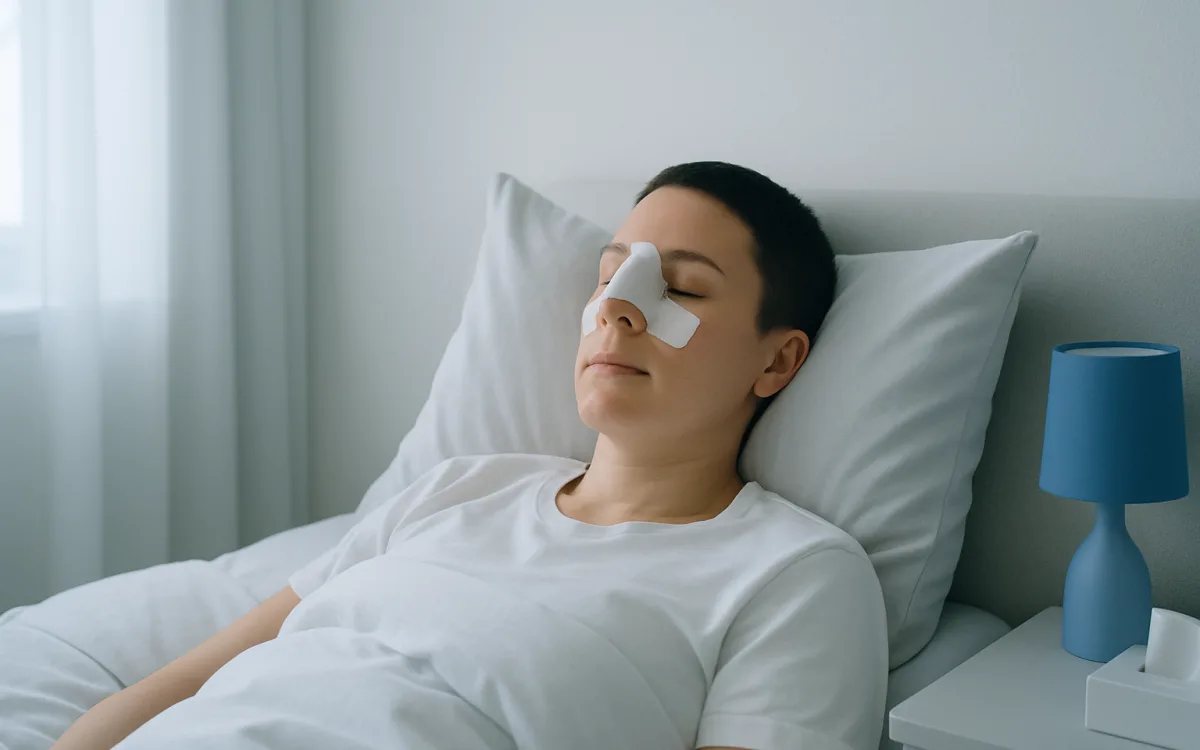
Rhinoplasty Aftercare: The Rules That Matter Most for a Safe Recovery
Understand the essential aftercare steps and rules following rhinoplasty in Turkey, with clear reasons behind each guideline for a safer recovery.
Why ask us for the quote
- One enquiry, quotes from several vetted clinics — you compare, nobody pressures you.
- We ask for the information a surgeon needs to quote: no photo upload, no medical files.
- Every clinic on our list holds a Turkish Ministry of Health licence and treats international patients.
- You keep your language: we pass on which of the 12 languages you want to be answered in.
- No fee to you, ever. Clinics pay us, and that is written on this page rather than hidden.
- We are not a clinic and never treat anyone — so we have no reason to talk you into surgery.