Piezo Ultrasonic Rhinoplasty: How the Device Changes Nose Surgery in Turkey
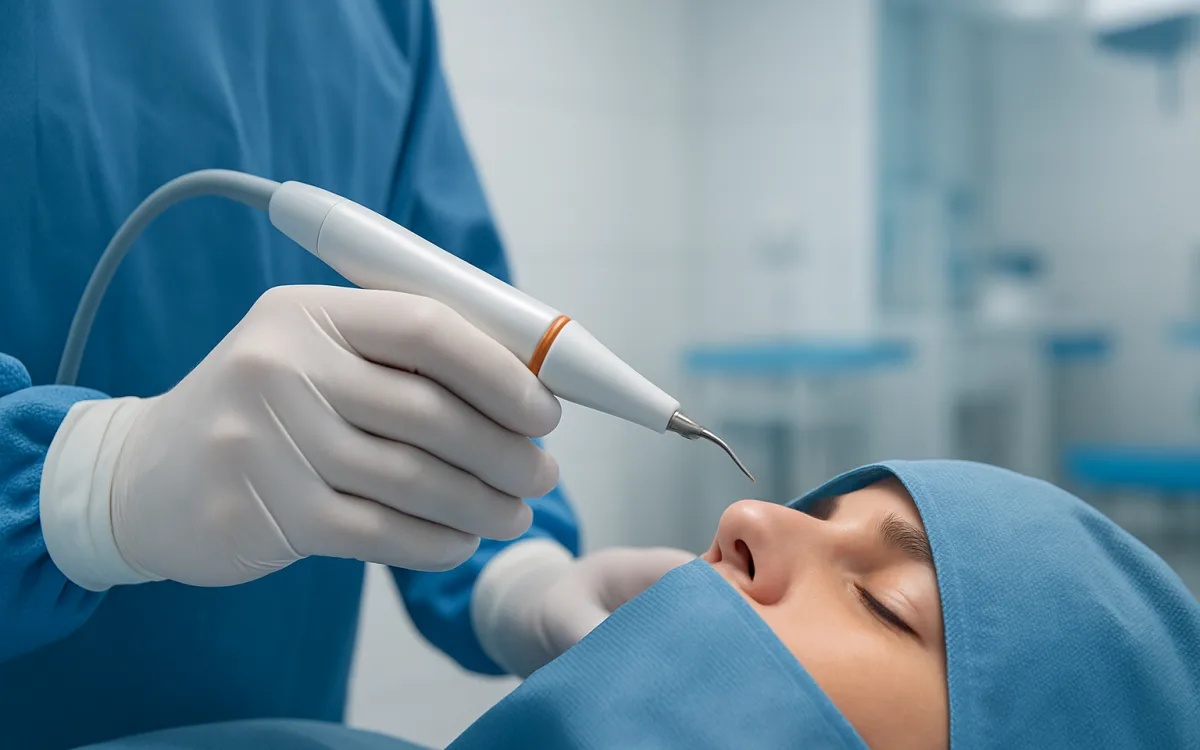
Piezo ultrasonic rhinoplasty is a technique that uses high-frequency vibrations to reshape nasal bones, offering an alternative to traditional chisels and rasps. This approach is available at select clinics in Turkey and is often discussed for its potential to reduce bruising and enhance precision.
If you are considering rhinoplasty Turkey, understanding what the piezo device changes — and what it does not — can help you set realistic expectations. This guide explains how the tool works, how it compares to standard instruments, what the evidence says about recovery, and why the technique may cost more or take longer in the operating room.
What Is Piezo Ultrasonic Rhinoplasty?#
Piezo ultrasonic rhinoplasty refers to reshaping the nasal bones using an ultrasonic device that vibrates at a frequency high enough to cut bone, but not soft tissue. The piezoelectric instrument allows surgeons to sculpt or shave bone more selectively, which is why it has become a talking point among patients seeking rhinoplasty Turkey. The main appeal is the tool's ability to minimise trauma to surrounding cartilage, blood vessels, and skin. This method differs from the classic osteotome (a chisel used with a hammer) or rasp (a coarse file), both of which can damage soft tissue and cause more post-operative bruising. Piezo ultrasonic devices have been used in other fields of surgery for decades, but their adoption in cosmetic nasal surgery is more recent and mostly confined to clinics with advanced equipment.
Comparing Piezo to Osteotome and Rasp#
| Technique | How Bone Is Shaped | Soft Tissue Impact |
|---|---|---|
| Osteotome | Chisel and hammer | High; cuts through tissue |
| Rasp | Manually filed down | Moderate; can scrape tissue |
| Piezo Ultrasonic | High-frequency vibration | Low; spares soft tissue |
While piezo devices are more precise, they are not suitable for every type of nasal bone or every patient.
Does Piezo Really Reduce Bruising?#
One of the most common claims about piezo ultrasonic rhinoplasty is that it reduces bruising and swelling after surgery. The logic is simple: since the device does not cut blood vessels or soft tissue, there should be less bleeding under the skin. Some published studies do support this trend, showing around 30–40% less bruising at one week compared to traditional methods. However, results vary significantly between individuals, depending on skin type, bone thickness, and surgical technique. No device can guarantee a bruise-free recovery. Patients prone to bruising or taking medications that affect clotting may see little difference.
- Bruising may be less but is not eliminated
- Results depend on your personal biology
- No tool can promise faster or easier recovery
- Some swelling still lasts for months
- Final results still take up to a year to appear
How Piezo Affects Surgery Time and Cost#
Piezo ultrasonic rhinoplasty typically takes 20–40 minutes longer than traditional bone modification because the device requires careful, incremental movements. Operating theatre time is a major factor in total cost, and the piezo equipment itself is expensive and needs regular maintenance. In Turkey, the cost of a rhinoplasty with piezo technology ranges from €2,900 to €4,800, compared to €2,000–€3,500 for standard techniques. The spread in price reflects differences in clinic overheads, surgeon experience, facility accreditation, and what is included (such as private recovery rooms or extended aftercare). If you are considering rhinoplasty Turkey, ask for a detailed, written quote and make sure you understand what is, and is not, covered.
Who Is (and Isn’t) a Good Candidate for Piezo?#
- Best for patients needing bone reshaping (hump reduction, wide nasal bones)
- Not useful for tip-only or cartilage-only procedures
- May not be suitable for those with very thin or fragile bones
- Active smokers or those with bleeding disorders face higher risks
- Children and teenagers typically are not candidates unless for reconstructive reasons
It is essential to discuss your individual health and anatomy with a qualified surgeon before considering surgery.
Choosing a Surgeon and Planning for Recovery#
Piezo ultrasonic rhinoplasty is a tool, not a guarantee of skill or safety. The surgeon’s experience with this technology matters as much as the device itself. When considering rhinoplasty Turkey, look for clinics that document their training and outcomes, and always check the surgeon’s credentials with national and international boards. Recovery will still require patience: expect visible swelling and minor bruising for 1–3 weeks, internal swelling for several months, and final shape settling over 9–12 months. Plan for at least 7–10 days off work, and avoid strenuous activity for at least four weeks. Most clinics in Turkey will offer a free written quote after an assessment, but independent research and realistic expectations are your responsibility.
Weighing the Evidence: What Studies Say#
| Claim | What Studies Support | What Is Unproven |
|---|---|---|
| Less Bruising | Some studies show 30–40% reduction | Not all patients experience this |
| Greater Precision | Bone cuts can be more controlled | No proven effect on long-term shape |
| Faster Recovery | Some find earlier return to work | No impact on final result timeline |
| Safety | Lower risk of soft tissue damage | No device is risk-free |
Always read studies with care; device choice is only one factor in surgical outcomes.
Questions people ask
Does piezo ultrasonic rhinoplasty guarantee a pain-free or bruise-free recovery?
No, piezo ultrasonic rhinoplasty cannot guarantee a pain-free or bruise-free recovery. While some evidence suggests reduced bruising compared to traditional instruments, each person's response varies based on their biology, the complexity of their surgery, and how their body heals. Most people will still experience some bruising, swelling, and discomfort for several days to weeks after the operation. Pain can usually be managed with standard medications, but individual recovery experiences differ widely.
Is piezo ultrasonic rhinoplasty available at every Turkish clinic?
No, piezo ultrasonic rhinoplasty is not available at every clinic in Turkey. The device is specialised, relatively expensive, and requires specific training to use safely and effectively. Only clinics with modern facilities and surgeons experienced in the technique tend to offer it. If you are interested in this approach, ask directly whether a clinic uses piezo technology and how many procedures they have performed with it. Always verify the surgeon's credentials and ask for independent reviews or testimonials.
Does using the piezo device increase the price of rhinoplasty in Turkey?
Yes, using the piezo device typically increases the cost of rhinoplasty in Turkey. The device itself is costly, requires regular maintenance, and the procedure usually takes longer in the operating room—all factors that contribute to higher clinic fees. On average, piezo ultrasonic rhinoplasty in Turkey ranges from €2,900 to €4,800, whereas standard methods might be €2,000–€3,500. Always request a detailed written quote so you understand what is included in the price before making any decisions.
rhinoplasty Turkeypiezo ultrasonic rhinoplastynose surgery technology Turkeycompare piezo vs osteotome rhinoplastyrhinoplasty bruising and swellingcost of piezo rhinoplasty Turkey